How to Write a Creative Brief That Gets Great UGC
The brief is the single biggest lever on content quality. Here is how to write one that directs creators without killing authenticity.
 Priya NairContent Strategist7 min read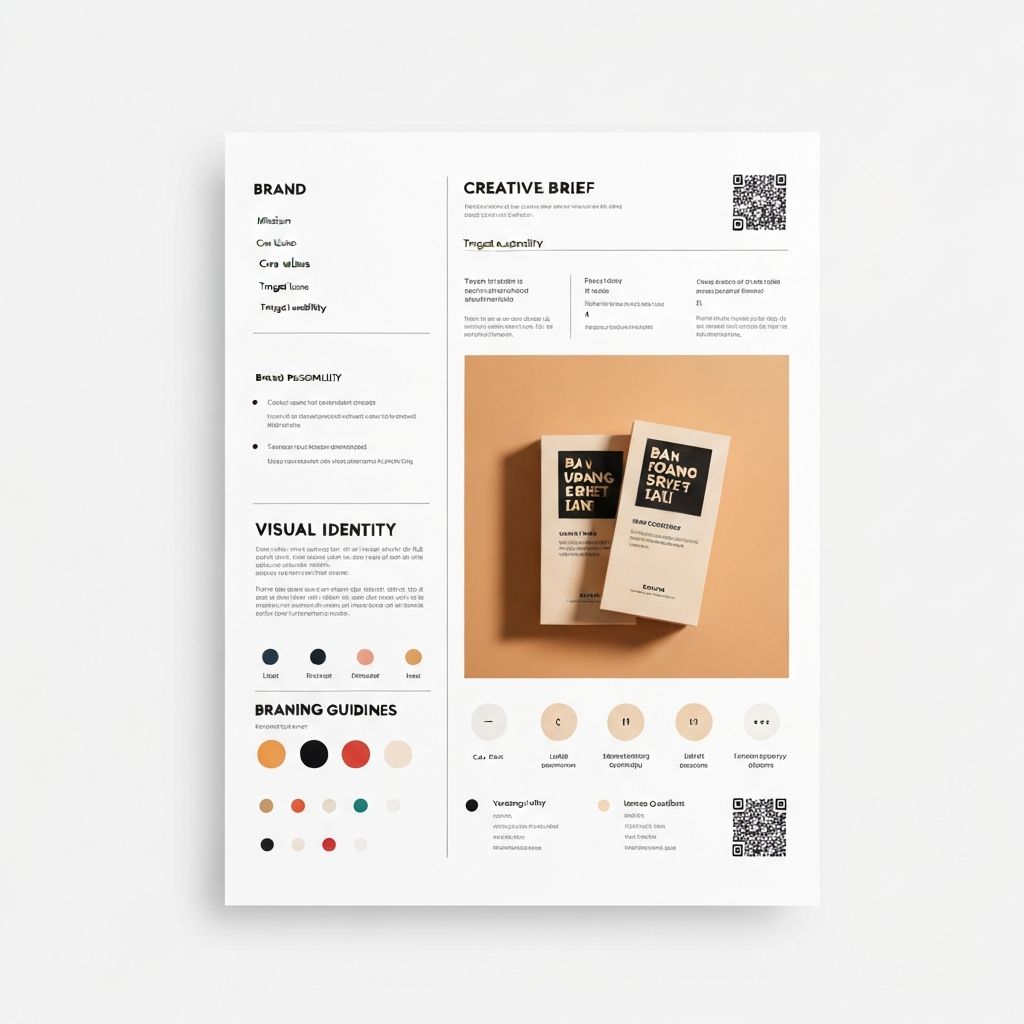
Most disappointing creator content is not a talent problem, it is a brief problem. When work comes back off-brand or off-message, the root cause is almost always that the creator was quietly guessing at something you never made clear. A strong brief removes that guesswork while still leaving room for the creator's own voice, which is the whole reason you hired them in the first place. Getting the brief right is the highest-leverage thing a marketer can do before any work begins, and it costs nothing but a little thought. Here is how to write one that consistently gets you content worth running.
Lead With the Why, Not Just the What
Creators make dramatically better decisions when they understand the goal behind the request. Instead of only listing the shots you want, explain what the content needs to achieve and who it is for, because a creator who knows a video must stop the scroll in a crowded feed will make different choices than one who thinks it is a polished brand film. State the single most important message you want a viewer to walk away with, and put it at the very top of the brief. If you cannot name that message in one clear sentence, the creator will have no chance of delivering it in fifteen seconds of video.
Give Specific, Usable Direction
Vague briefs produce vague content, but the fix is not to write more, it is to write more precisely. A few concrete details do more useful work than three paragraphs of adjectives, so give the creator the specifics they genuinely cannot guess. In Kleepa every booking includes a brief that travels with the project, so keep these details attached to the work rather than buried in a scattered email thread.
- The hook: how the first three seconds should open
- Key talking points, listed in priority order
- Must-say and must-avoid language, including claims you cannot legally make
- Format specs: aspect ratio, length, and where it will run
- One or two references that show the tone you are after
Leave Room for the Creator
There is a real line between direction and a straitjacket, and crossing it quietly ruins UGC. Word-for-word scripts often produce stiff, obviously-paid content that audiences instantly tune out, and the creators you hire usually know their audience and their format better than you do. Tell them the message clearly and then let them phrase it in their own voice. A good test is this: if your brief could be handed to any creator and produce identical output, it is too rigid. You are paying for authenticity, so protect the details that make each creator distinct rather than sanding them away.
Set Expectations for Revisions
Name how many revision rounds are included and what actually counts as a revision versus a brand-new request, which protects both sides and keeps projects from dragging on indefinitely. A weak hook, a mispronounced product name, or a missing call to action are fair notes, while rewriting the whole concept on round two is really a new brief in disguise. Because Kleepa holds payment in escrow until you approve the work, a clear revision policy keeps the review stage fast and fair for everyone involved. Spend your energy up front on the brief and you will spend far less of it later chasing fixes, which makes a tight brief the cheapest quality upgrade any brand can buy.
Written by
Priya NairPriya is a content strategist focused on what makes user-generated content convert. She writes about creative direction, briefs, and the craft of short-form video.